In this episode of the Veiko podcast we talk to Maxi, owner of MX Cars in Valencia, to see from the inside how a used-car professional thinks, what kind of stock he looks for, how he sells, how he finances the business and what lessons the sector has taught him.
The conversation makes one thing clear from the start: in used-car retail, the winner is not only the person who buys cheap, but the person who can spot saleable cars, with real turnover and margin. And the person who stays consistent even when the business goes through very hard times.
He rebuilds his used-car business from scratch after losing everything in the DANA floods | Episode #1
If you enjoyed the podcast, follow us on social media. We post content to help you buy better, understand typical faults and avoid surprises when buying used cars.
This episode of the Veiko podcast is not only about buying and selling vehicles. It is also about resilience, a business mindset and real market knowledge.
Maxi explains how the DANA floods hit his business directly in Valencia. Overnight, the yard, the cars and the activity were badly damaged. From there, the episode shows something many professionals in the sector know well: in this business you have to react fast, rebuild stock and start generating cash again as soon as possible.
His experience connects with a reality that is very present in professional automotive: stock is not just inventory, it is the ability to keep the business alive.
What a dealer really looks for when buying stock
In the episode, Maxi sums up his criteria in a very clear line: he looks for “what will sell”.
That approach is especially useful for any professional who buys used vehicles. The mistake is often obsessing over buying very cheap, when what really matters is buying something that:
Sells quickly.
Has real demand.
Needs manageable preparation.
Leaves a reasonable margin without tying up capital for too long, in other words, it favours turnover.
In other words, a car sitting for one or two months can get expensive even if it was bought well.
This approach fits the philosophy of many professionals who work with online auctions: take agile decisions, analyse the commercial potential of each unit and prioritise turnover.
Which cars work best in his business
During the interview, Maxi explains that he mainly works with vehicles in a range of around €4,000 to €12,000, combining older cars with slightly more modern units.
He does not treat his stock as an aspirational selection, but as a real answer to what his customer wants. And a very useful idea appears here: in used-car retail the winner is not always the prettiest or most well-equipped car, but the one that matches the budget, the use and the buyer’s expectations.
He also makes it clear that, in his case, electrics are not part of his usual stock today. His view is that a customer looking for an electric car usually leans towards a new product or the official channel, while the traditional used-car market still has very strong demand for combustion engines and more established hybrids.
The brands and models that sell best, according to real experience
One of the most entertaining parts of the episode is the brand-and-model game. Beyond the format, it leaves very useful insights into which vehicles move fastest in the used-car market.
Among the most interesting conclusions, Maxi highlights his commercial preference for brands such as:
Volkswagen
Toyota
Peugeot
Ford
Kia
Seat
And when he talks about specific models, his top picks for profitability and turnover are quite clear.
The 3 most profitable cars to sell, according to MX Cars
1. Volkswagen Polo
He describes it as one of the most saleable cars in his experience. A model with constant demand, easy to move and very recognisable for the buyer.
2. Toyota Corolla Verso
Especially interesting for its practicality and commercial appeal, above all in configurations that suit families or people looking for space and reliability.
3. Seat León
A classic of the Spanish used-car market. Maxi flags it as a model with margin and very stable demand.
This kind of information matters a lot to professionals because it does not come from theory, but from the street, from stock and from daily sales.
Where a dealer’s customers come from today
Another important point in the episode is the split of acquisition channels.
Maxi explains that, in his case, around 70% of sales come from the internet and 30% from walk-in or shop-floor traffic. Within the online channel, he especially highlights the weight of automotive portals, although he also says he is working social content more and more.
A clear industry trend appears here: the traditional dealer can no longer rely only on the physical shop window. Today they need to combine:
Specialist portals.
A digital presence.
Social content.
Reputation.
The ability to respond quickly.
The episode also covers how Instagram and TikTok can become real commercial support when they are used to show stock, build trust and amplify the reach of the business.
Warranties, preparation and processes: what puts the customer at ease
One of the most valuable ideas in the episode is that selling well is not just about listing cars. It is about having defined processes.
Maxi talks about reconditioning, how he prepares units and the importance of working with an external warranty that actually responds. That part is key because, in used-car retail, trust is not built only with the advert, it is built with the aftersales experience.
For a professional, this makes a big difference. The clearer the inspection, handover and cover process, the easier it is to close deals with peace of mind and build a long-term reputation.
Buying stock through several channels: private sellers, contacts and auction
The episode also goes into a question professionals in automotive look for a lot: where the stock comes from.
Maxi says he buys through different routes:
Private sellers.
Trusted contacts.
Other professionals.
Specialist platforms.
Vehicles from outside Spain in certain cases.
This view is especially relevant to understand how an agile professional in the sector works today. They do not depend on a single channel; they combine sources according to opportunity, margin, time and the profile of the vehicle.
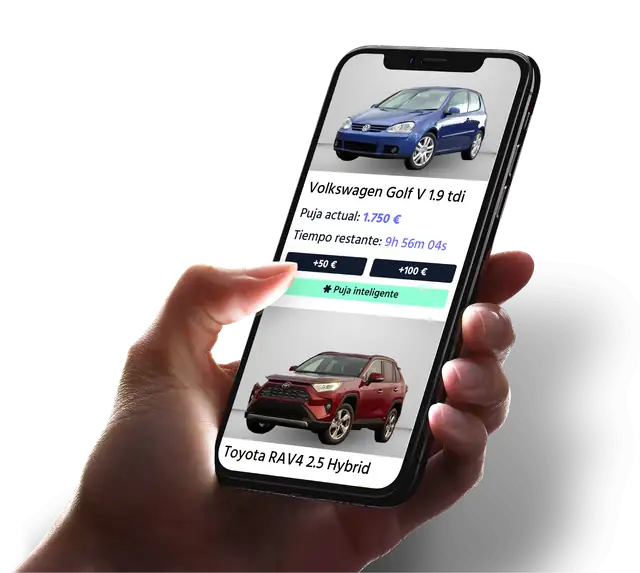
That is where Veiko offers a clear proposal for professionals: an online vehicle auction platform, with weekly auctions from Wednesday to Friday for 48 hours, no hidden fees and with the bid price including transferencia (ownership transfer) and document handling. On top of that, the free Return Guarantee on the first purchase helps lower barriers for new customers.
What this episode teaches about the used-car market
This episode of the Veiko podcast leaves several important conclusions for any used-vehicle professional:
1. Turnover comes first
Buying cheap does not help much if the car does not sell.
2. Stock must match real demand
Not the seller’s personal taste.
3. The internet is already the main sales channel
But the physical shop and reputation still add a lot.
4. Trust is still key
Warranties, transparency and good treatment still make the difference.


 #Podcast