 #Mechanics
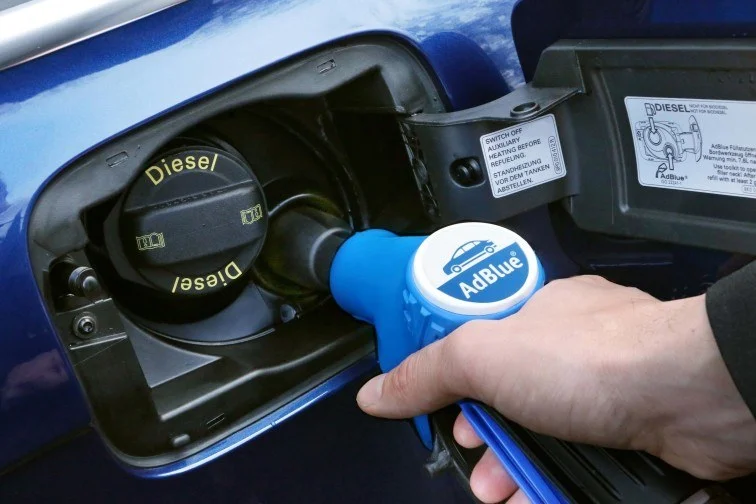
What is AdBlue and what faults does it cause?
What is AdBlue? How it works, what problems it can cause in diesel cars, which vehicles are affected and practical solutions.
05 Feb, 2026 #Mechanics
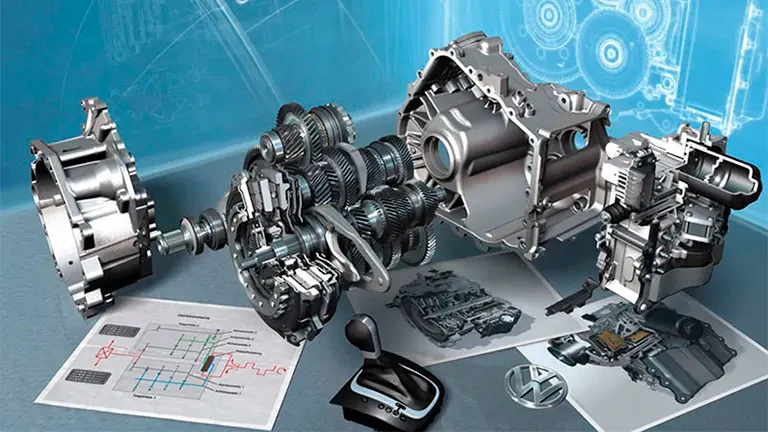
The automated manual gearbox, also known as an automated manual transmission (AMT), is a type of transmission that combines the best of manual and automatic gearboxes. If you work in professional automotive, you have probably come across this technology when reviewing vehicles at auction or assessing units for resale.
In this article we explain how it works, what advantages it offers and its possible drawbacks.
An automated manual gearbox is, in essence, a traditional manual gearbox that has been fitted with a system of electronic actuators responsible for operating the clutch and changing gear automatically. That removes the need for a clutch pedal and allows more comfortable driving, without losing the efficiency of a manual transmission.
The system keeps the mechanical architecture of a manual gearbox, but adds:
A control unit (ECU) manages the whole operation. Based on the data it receives, it decides the optimum moment to change gear, improving efficiency and reducing the driver’s effort.
It lets the system manage gear changes completely, offering an experience close to automatic driving.
The driver can select gears using paddles on the steering wheel or the lever, without needing to press a clutch. Ideal for anyone who wants more control on certain terrain or in certain situations.
By keeping the structure of a manual gearbox, it usually offers more efficient consumption than many traditional automatics.
The production and maintenance of these transmissions are usually more economical than those of a conventional automatic gearbox.
It offers more relaxed driving in the city and in traffic jams, without giving up the option of shifting manually when needed.
Because they are more compact, they help the efficiency of the vehicle as a whole and reduce total weight.
Some models, especially older ones, can show jerks or slowness when changing gear, which slightly affects the driving experience.
Although they need less maintenance than a traditional automatic gearbox, the actuators and sensors can need specific attention over time.
Brands such as Alfa Romeo, Citroën, Smart or even Ferrari have used this type of transmission on specific models.
The DSG (Volkswagen) or S-Tronic (Audi) systems are evolutions of traditional automated manuals. They use a dual clutch to offer faster, smoother changes, ideal for anyone looking for performance and comfort in equal parts.
On Veiko you will find vehicles of all ages, prices and mileages. Want access to used vehicles at a good price? Register for free on Veiko and take part in our weekly auctions for professionals.
#Mechanics
What is AdBlue? How it works, what problems it can cause in diesel cars, which vehicles are affected and practical solutions.
 #Mechanics
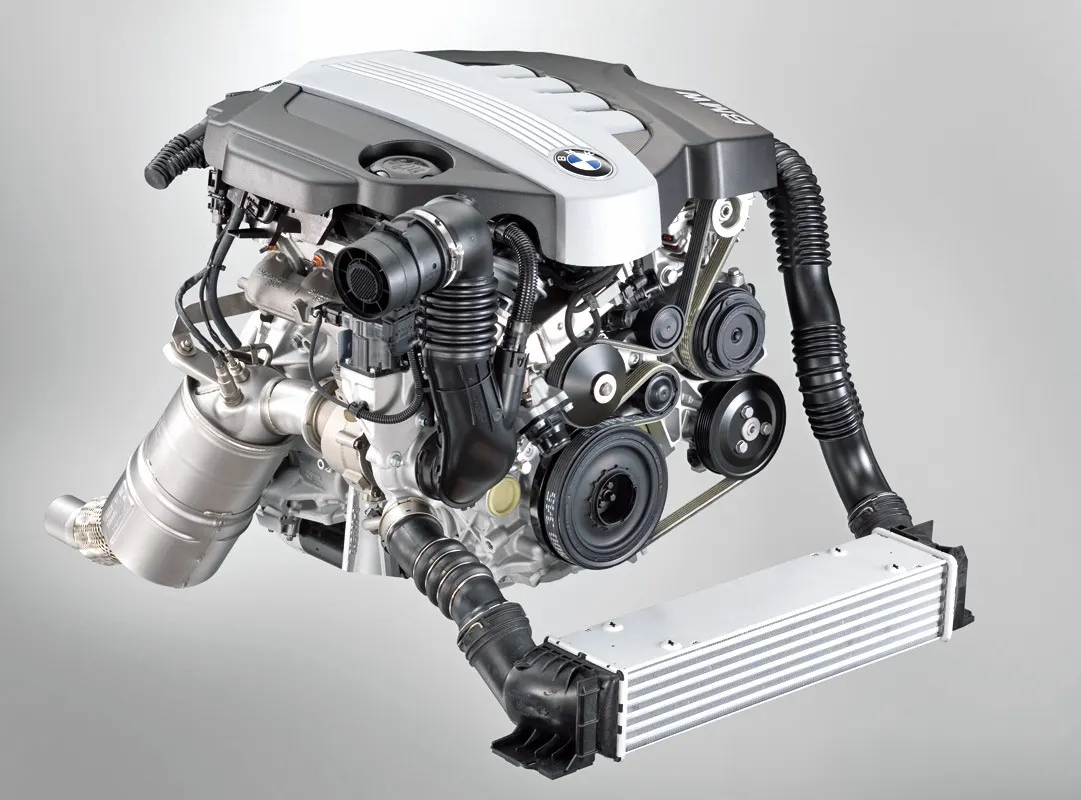
The BMW N47 engine and its timing chain: symptoms, preventive maintenance and a checklist to buy with more confidence.
 #Mechanics
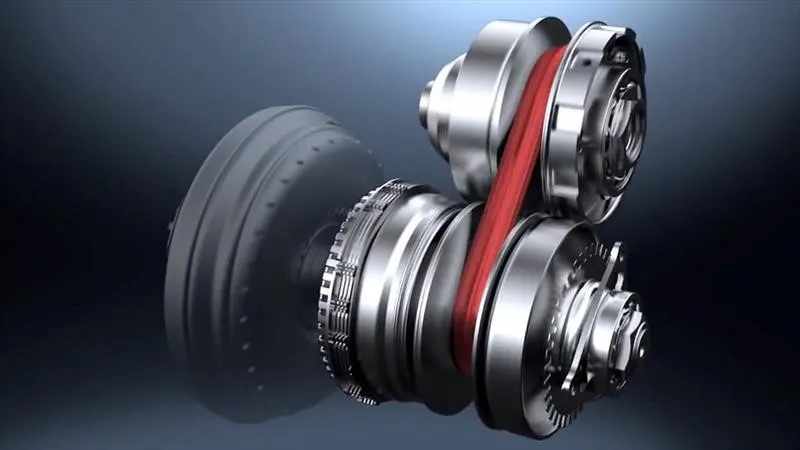
What is a CVT gearbox and how does it work? Its advantages, disadvantages and how to assess it before buying vehicles at a professional auction.
Download our app!
Access the best vehicle auctions from anywhere. Enjoy a fast, easy way to find the car you want and place bids from your phone. Start now!