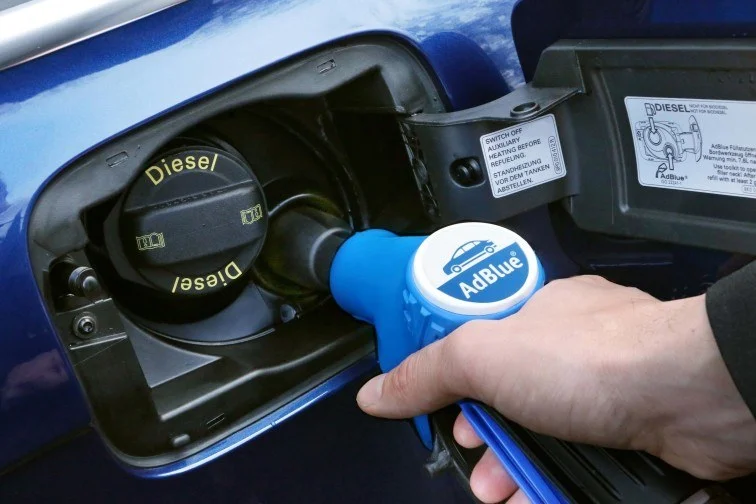
 #Mechanics
What is AdBlue and what faults does it cause?
What is AdBlue? How it works, what problems it can cause in diesel cars, which vehicles are affected and practical solutions.

09 May, 2025 #Mechanics
The clutch is one of the most important components in a vehicle's transmission system. Its main job is to allow or interrupt the transfer of power from the engine to the gearbox. It sits between those two elements and is key to smooth, safe, efficient driving.
The clutch connects and disconnects the engine's rotation from the car's transmission. That lets the driver change gear or stop the vehicle without switching the engine off. It is essential both when pulling away and when stopping, and its wear can seriously affect vehicle performance.
When you press the clutch pedal, the engine is decoupled from the gearbox. That lets you change gear without stressing the transmission. When you release the pedal, the clutch couples both sides again, so engine power can reach the wheels.
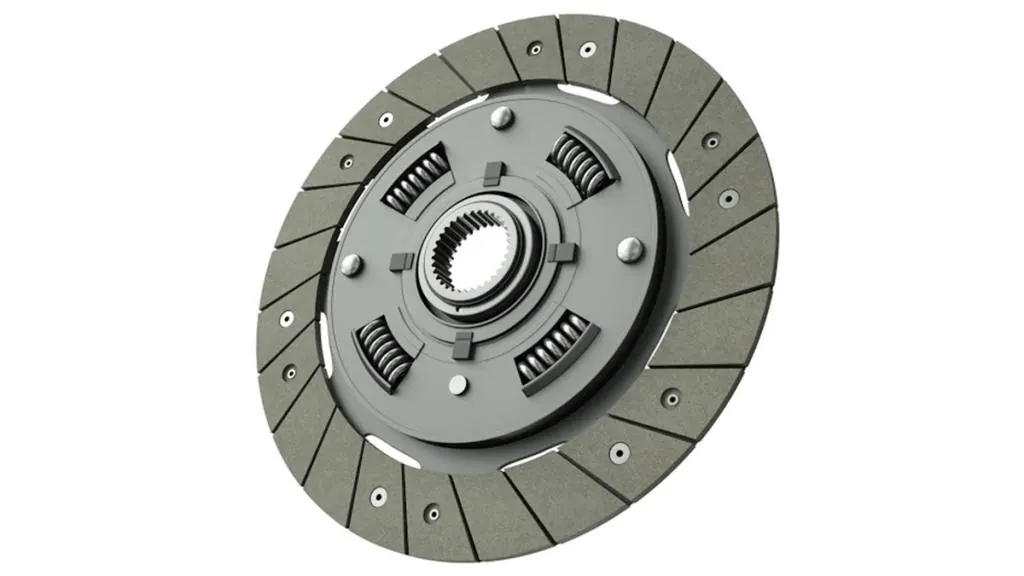
It is a metal disc coated with friction material (ferodos), which allows a progressive coupling between the engine and the gearbox. If it is worn, it can cause slip or jerks when pulling away.
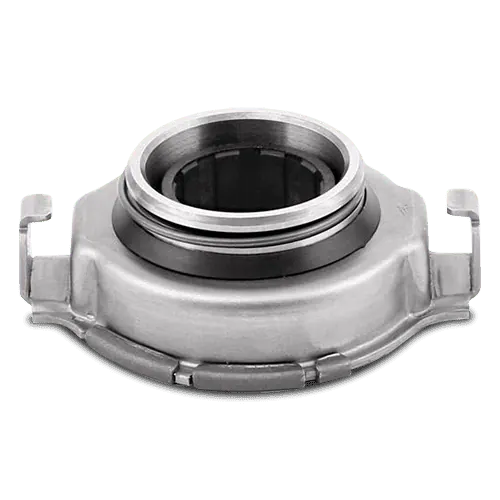
This component is actuated directly by the clutch pedal. It presses or releases the pressure plate on the clutch disc. When it fails, you may hear metallic noises, vibrations or an irregular feel in the pedal.
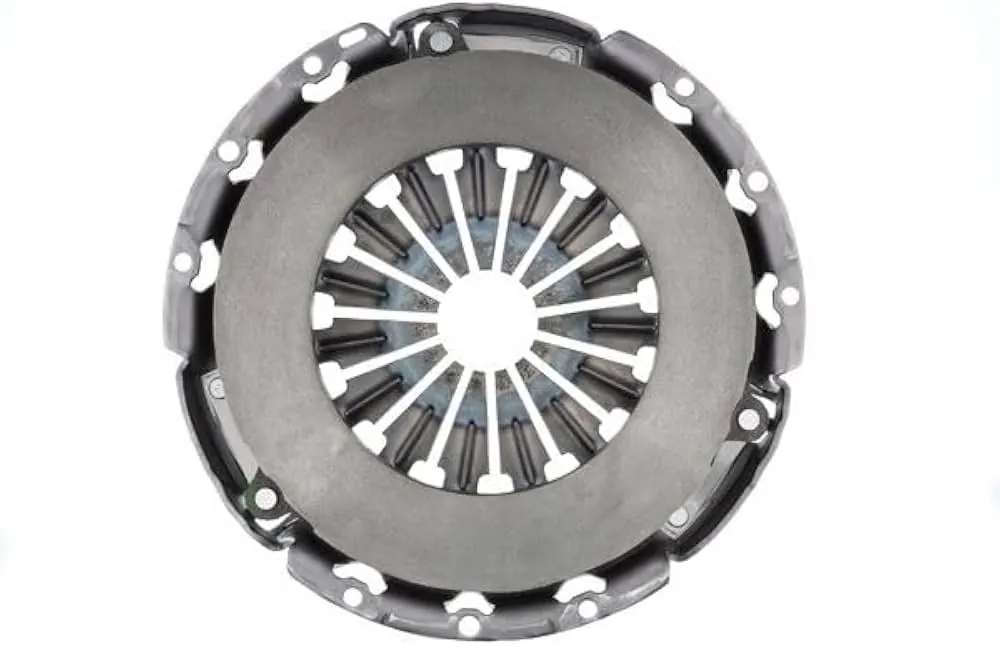
It works with the bearing to ensure a smooth transition between the engine and the transmission. A fault can cause harsh or inefficient engagement.
This component is attached to the engine crankshaft. There are two types:
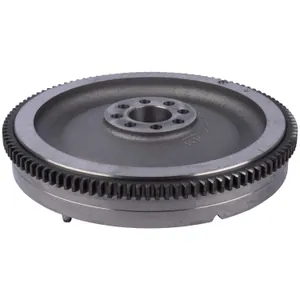
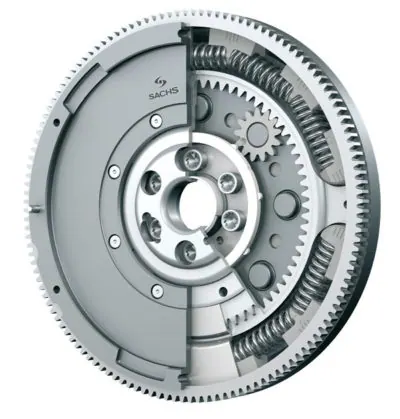

If you want to learn more about cars, auctions and the used-car trade, this is the place!
Follow us on Instagram!It happens when the disc is glazed or worn. The engine revs up but does not transmit force effectively. A simple test is to try to pull away in third with the handbrake on: if the car does not stall, the clutch is slipping.
Symptoms include noise when you press the pedal, vibration or even the pedal locking at the bottom of its travel. It is a common failure and it is worth replacing the full kit if you detect it.
With use, its springs can loosen, which causes:
Catching the symptoms early not only improves safety, it also avoids expensive repairs.
At Veiko we make it easier for professionals to buy vehicles with 100% online auctions, transparent and secure. Take part in weekly 24-hour auctions (Thursday to Friday), with a final price that includes transferencia (ownership transfer) and document handling, and no hidden costs. On top of that, the Return Guarantee on your first purchase lets you buy with full confidence.
Register now on Veiko and access the best opportunities on the professional market!
#Mechanics
What is AdBlue? How it works, what problems it can cause in diesel cars, which vehicles are affected and practical solutions.
 #Mechanics
The BMW N47 engine and its timing chain: symptoms, preventive maintenance and a checklist to buy with more confidence.
 #Mechanics
What is a CVT gearbox and how does it work? Its advantages, disadvantages and how to assess it before buying vehicles at a professional auction.
Download our app!
Access the best vehicle auctions from anywhere. Enjoy a fast, easy way to find the car you want and place bids from your phone. Start now!