 #Mechanics
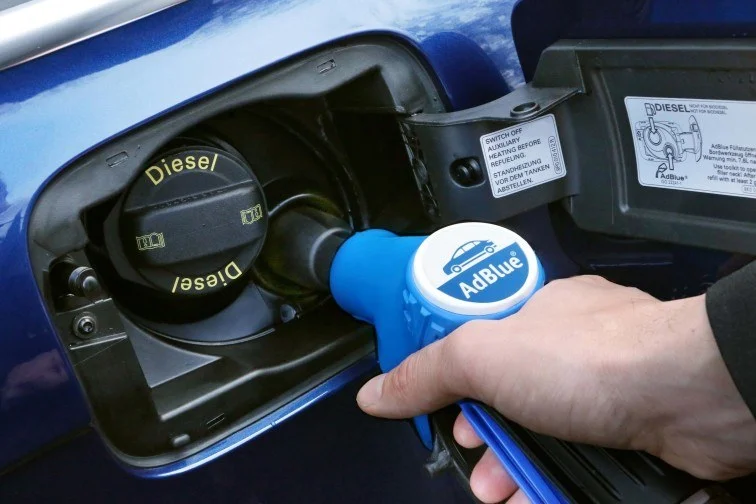
What is AdBlue and what faults does it cause?
What is AdBlue? How it works, what problems it can cause in diesel cars, which vehicles are affected and practical solutions.

31 Jul, 2025 #Mechanics
Identifying noises in the car engine can be the difference between a small repair and an expensive breakdown. This guide is designed to help you detect, interpret and act on the most common sounds a troubled engine can make. You don’t need to be an expert to protect your vehicle!
When should you worry about an engine noise?
Modern engines produce a constant, even sound when they are in good condition. If you notice something out of the ordinary, it is worth paying attention. Irregular, loud or intermittent noises are usually the first warning of a breakdown in progress.
Noises synced with engine speed
These noises change with engine revs. They usually indicate:

Haven't tried Veiko auctions yet?
At Veiko, YOU PAY ONLY WHAT YOU BID, no hidden fees, and the name change is included.
Register nowRattle or metallic knocking
Dry or repetitive sounds when accelerating or while driving:
Whistles and squeals
A high-pitched whistle, especially when accelerating, can mean:
Squeaks and screeches
If you hear squeaks when starting or turning the steering wheel:
Most frequent causes and their consequences
| Type of noise | Possible cause | Risk |
|---|---|---|
| Knocking | Play in connecting rods | High mechanical failure |
| Squeak | Worn belt | Medium, affects accessories |
| Whistle | Leak in turbo or intake | High power loss |
| Fast and metallic | Valves or tappets | Medium-high, wear |
Step-by-step diagnosis for drivers
Recommended prevention and maintenance
When should you go to the workshop?
If the sound persists or gets louder, it is time to see a professional. Record the sound if you can and describe when and how it appears. That makes diagnosis easier and avoids mistakes.
#Mechanics
What is AdBlue? How it works, what problems it can cause in diesel cars, which vehicles are affected and practical solutions.
 #Mechanics
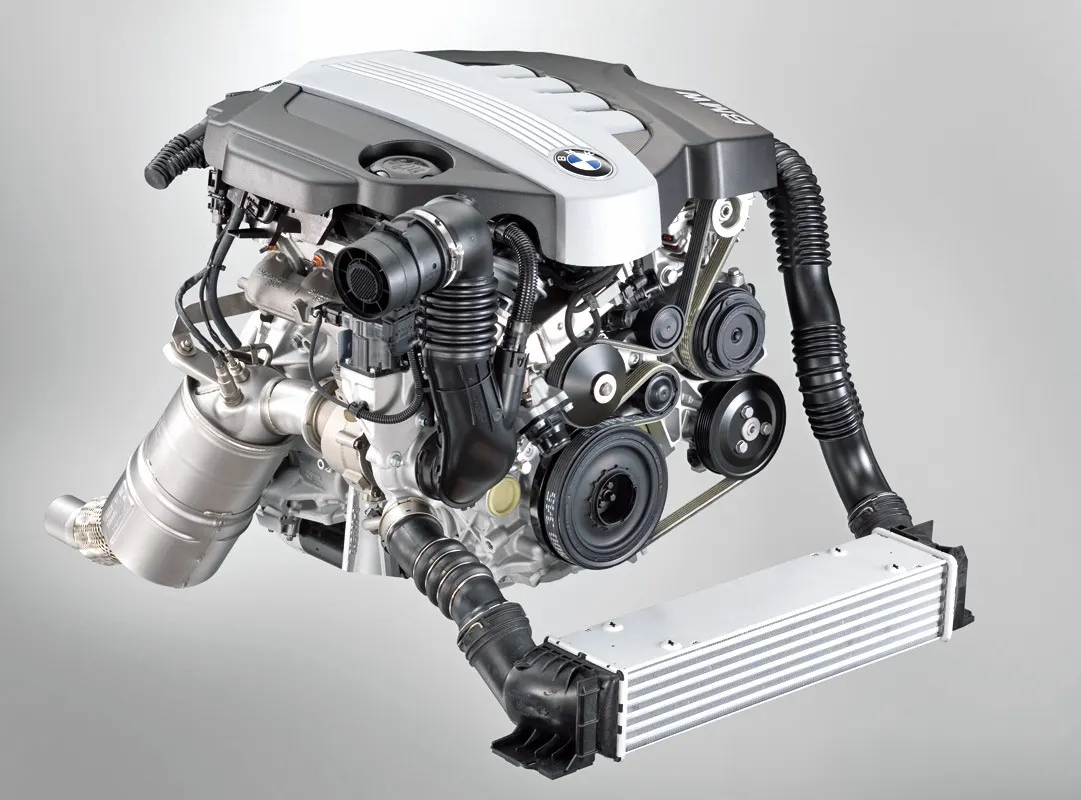
The BMW N47 engine and its timing chain: symptoms, preventive maintenance and a checklist to buy with more confidence.
 #Mechanics
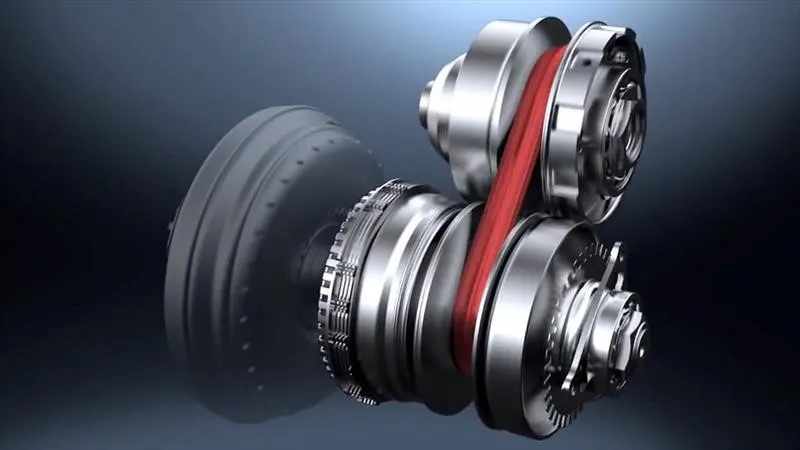
What is a CVT gearbox and how does it work? Its advantages, disadvantages and how to assess it before buying vehicles at a professional auction.
Download our app!
Access the best vehicle auctions from anywhere. Enjoy a fast, easy way to find the car you want and place bids from your phone. Start now!