 #Mechanics
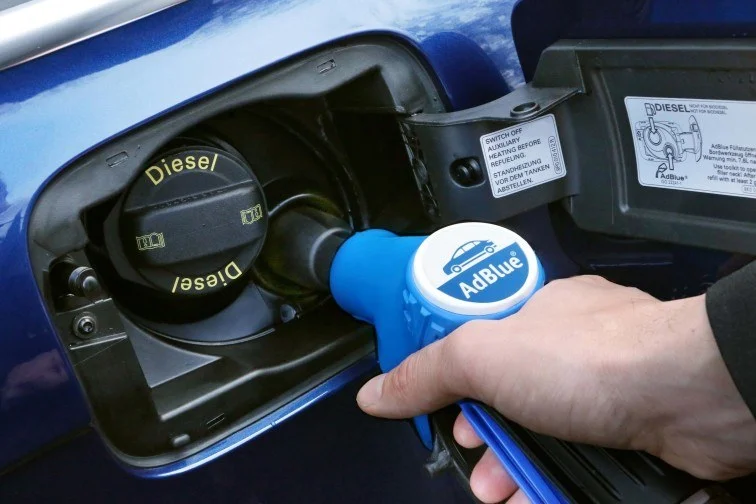
What is AdBlue and what faults does it cause?
What is AdBlue? How it works, what problems it can cause in diesel cars, which vehicles are affected and practical solutions.

21 Ago, 2025 #Mechanics
Vehicle pollutant emissions are one of the main factors affecting the air we breathe. If you notice your car is polluting more than usual, do not ignore it: there are solutions that can reduce that impact and spare you problems at the next ITV (Spain's mandatory vehicle inspection).
In this article we explain the main causes of excessive emissions and how to cut your car’s pollution, extend its useful life and help keep the environment cleaner.
Pollutant gases such as CO2, NOx or fine particles affect the environment and public health directly. Exceeding the allowed levels can also lead to fines and even immobilization of the vehicle in some low-emission zones.
The ITV (Inspección Técnica de Vehículos, Spain's mandatory vehicle inspection) checks that emissions are within legal limits. If your car exceeds them, it will be rejected. That not only creates extra costs, but also the obligation to repair before you can drive legally.
A cracked exhaust pipe or a catalytic converter in poor condition can release harmful gases directly without proper filtering.
When the filter is dirty, the engine gets less oxygen than it needs, which produces incomplete combustion and more pollution.
Worn spark plugs, old oil or dirty injectors raise fuel consumption and, therefore, emissions.
Harsh acceleration, constant hard braking or driving in low gears raises fuel consumption and the emissions level.
Although necessary in summer, excessive use means more work for the engine, which translates into more consumption and emissions.
Incorrect pressure creates more rolling resistance, so the car uses more fuel and pollutes more.

Haven't tried Veiko auctions yet?
At Veiko, YOU PAY ONLY WHAT YOU BID, no hidden fees, and the name change is included.
Register nowMake sure there are no leaks or visible damage. The catalytic converter must be in good condition to filter exhaust gases correctly.
Change the air filters and oil regularly. Use the right oils and follow the manufacturer’s maintenance schedule.
Driving at a steady speed, anticipating braking and using higher gears at low revs can cut emissions drastically.
Switch it on only when needed. Air the car before starting it to reduce the initial load.
Check the pressure at least once a month. Properly inflated tires improve efficiency and reduce gas emissions.
There are specific additives that help clean the injectors, the exhaust system and the catalytic converter, improving combustion.
If your car has one (especially diesel), make sure it is clean or renewed to avoid blockages and excessive emissions.
The ITV measures emissions with calibrated equipment that detects problems that can go unnoticed day to day.
If there is a minor fault, technicians can give you guidance to fix it before it becomes a costly breakdown or a rejection.
A strong gasoline smell, excessive smoke from the exhaust or power loss are clear signs that something is wrong.
A specialist workshop can find and fix the exact source of the emissions, avoiding larger costs later.
Looking after your vehicle is not only an investment in its performance; it is also a commitment to the environment and your safety.
#Mechanics
What is AdBlue? How it works, what problems it can cause in diesel cars, which vehicles are affected and practical solutions.
 #Mechanics
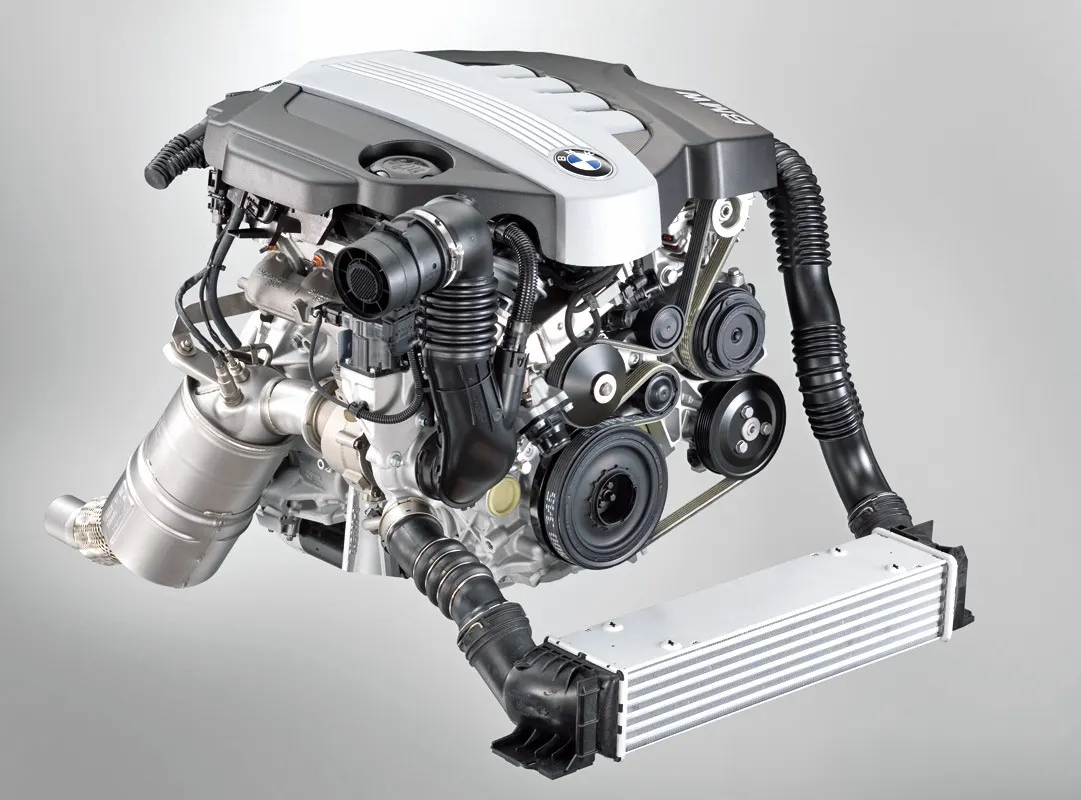
The BMW N47 engine and its timing chain: symptoms, preventive maintenance and a checklist to buy with more confidence.
 #Mechanics
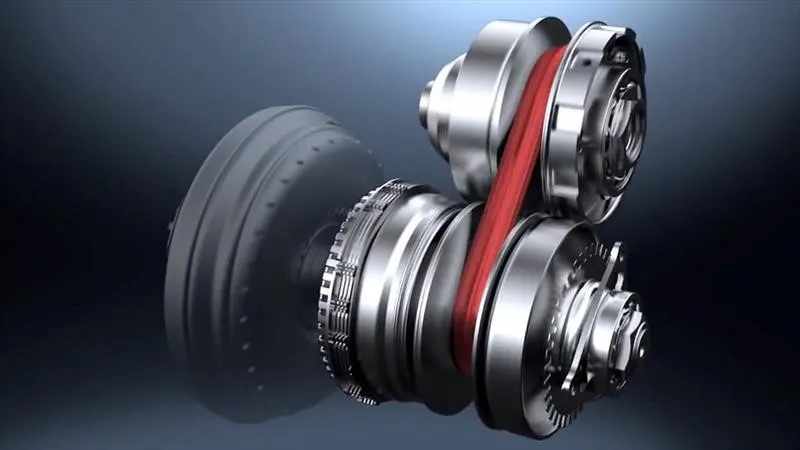
What is a CVT gearbox and how does it work? Its advantages, disadvantages and how to assess it before buying vehicles at a professional auction.
Download our app!
Access the best vehicle auctions from anywhere. Enjoy a fast, easy way to find the car you want and place bids from your phone. Start now!